

I still remember the first time I walked into a friend’s apartment and saw their smart home in action. The lights adjusted automatically as we moved from the living room to the kitchen, soft music filled the background, and even the thermostat seemed to know exactly what temperature would feel comfortable. At that moment, I realized how smart home tech is shaping the future of living — my journey had just begun.
A few months later, I decided to bring the same experience into my own home. What I discovered completely changed how I live, work, and even relax. In this article, I share how smart home tech is shaping the future of living: my journey, the lessons I learned, and why it’s a game-changer for anyone looking to improve comfort, security, and efficiency at home.
How Smart Home Tech Is Shaping the Future of Living
When I first considered installing smart devices, I was skeptical. Would it really make life easier, or would it just be a gimmick? What convinced me was seeing the potential for:
- Energy efficiency
- Hands-free convenience
- Enhanced security
- Health and wellness monitoring
The beauty of modern smart home technology is that it’s not just about convenience—it’s about creating a home that adapts to you and supports your lifestyle.
My Journey With Smart Home Tech: Starting Small
I began with the basics:
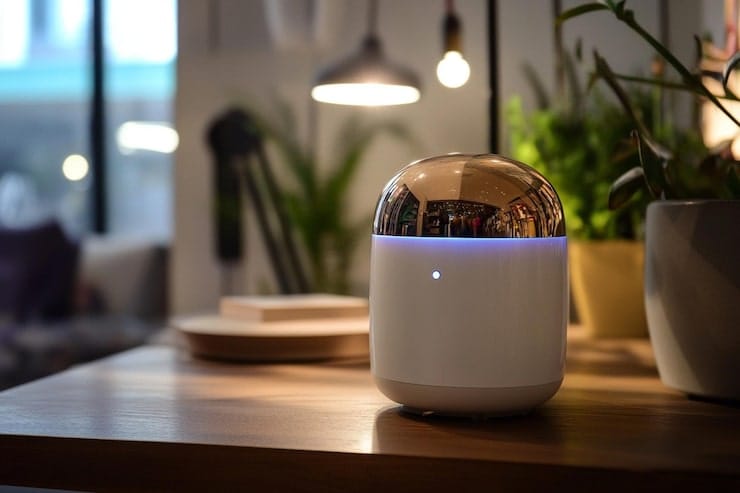
- Amazon Alexa: My first voice assistant. I honestly didn’t realize how life-changing it could be until one morning I told Alexa to turn on my bedroom lights while still lying in bed—and it did, perfectly. That small convenience made me start thinking: what else could I automate?
- Nest Learning Thermostat: I installed it next. Within a week, I noticed the temperature was always perfect when I returned home, and my heating bill had already started to drop.
- Smart Plugs and Bulbs: These allowed me to control appliances and lighting remotely, which saved energy and gave me peace of mind when I forgot to turn something off.
Personal anecdote: One day, I was at work and realized I had left the living room lights on. Using my phone, I turned them off instantly. I never thought I’d get that small thrill from saving energy—but I did.
Building Automation: When My Home Began to “Think”
After experimenting with individual devices, I explored automation routines. This is where the magic happened. I programmed my home to respond to my daily schedule automatically:
- Morning Routine: Curtains open, thermostat adjusts to 21°C, coffee machine starts brewing, and my smart speaker plays a news briefing.
- Away Mode: One tap (or automatic geofencing) shuts off all lights, lowers the thermostat, and activates security cameras.
- Evening Relaxation: Soft lighting dims, music plays a relaxing playlist, and my smart plugs turn on the diffuser.
It felt like my home was anticipating my needs, not just responding to commands. And that’s exactly what home automation is meant to do—simplify life without you thinking about it.
Smart Home Technologies That Changed My Life
Here are the key innovations that truly made a difference for me:
1 Voice Assistants
Devices like Alexa, Google Assistant, and Siri became the command center of my home. I can turn lights on and off, play music, check the weather, or even control appliances just by speaking.
2 IoT Integration
All my devices communicate through IoT. For instance, my smart lock communicates with my thermostat and lights—so when I unlock the door, the house is already at a comfortable temperature.
3 Smart Thermostats
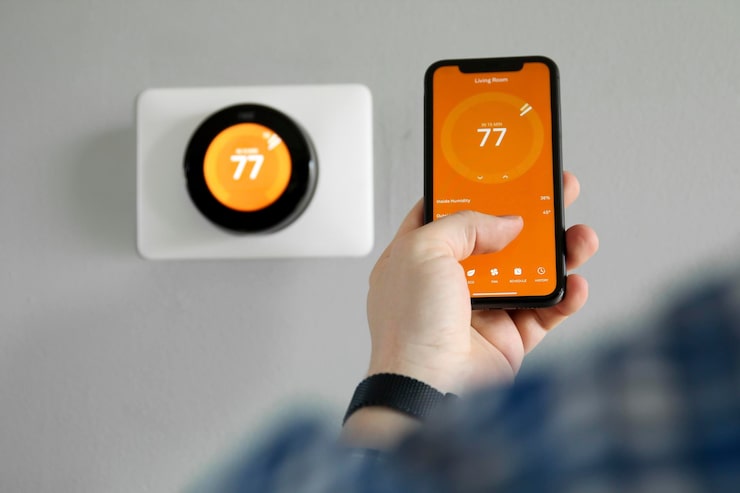
The Nest Learning Thermostat automatically learns my habits and adjusts accordingly. This has reduced my energy consumption and saved me money every month.
4 Security Systems
With smart locks, cameras, and sensors, I feel safer than ever. Once, I received a notification while away from home about motion near the front door. I checked the live feed, and it was just the delivery person. This real-time monitoring gives peace of mind that no traditional lock could.
5 Air Quality and Health Monitoring
I also added a Dyson air purifier and a smart monitor for indoor air quality. It detects pollutants and automatically adjusts the purifier. I’ve noticed fewer allergy symptoms and better overall comfort.
Step-by-Step Guide: How to Start Your Smart Home Journey
Here’s how I approached it—and how you can too:
- Choose Your Ecosystem: Stick to one platform for maximum compatibility. I chose Alexa, but Google Home or Apple HomeKit are great too.
- Start With Essentials: a Thermostat, smart lights, smart locks, and a voice assistant.
- Add Smart Plugs & Sensors: Control appliances remotely and monitor your home.
- Create Automation Scenes: Morning routines, away modes, and evening relaxation.
- Expand Gradually: Add advanced systems like home theaters, fitness monitoring, or energy storage.
Tip: Look for Matter-compatible devices to ensure future-proof integration.
Benefits I Experienced First-Hand
- Convenience: Lights, music, and temperature adjust automatically.
- Energy Savings: My heating and cooling bills dropped by nearly 15%.
- Enhanced Security: Real-time alerts and remote monitoring give true peace of mind.
- Health & Wellness: Better air quality and circadian lighting improved my sleep and focus.
- Resilience: With smart devices and backup power systems like Tesla Powerwall, my home stays functional even during outages.
Challenges and Lessons Learned
1 Privacy Concerns
All devices collect some data. I make sure to use strong passwords, two-factor authentication, and reputable brands.
2 Device Interoperability
Initially, some devices didn’t work together. I solved this by choosing Matter-compatible products, which connect seamlessly across ecosystems.
3 Tech Dependence
I learned to always have manual overrides for critical devices, like lights and locks, in case of internet failure.
The Future of Smart Homes
- 5G Connectivity: Faster, real-time communication between devices.
- AI-Powered Predictive Automation: Your home may soon anticipate your mood or schedule before you even act.
- Sustainable Living: Solar integration, energy storage, and intelligent appliances will make homes greener than ever.
Why I Recommend NaliteSmart for Smart Home Solutions
When I decided to expand my system, I chose NaliteSmart for smart switches. Here’s why:
- Reliable and stable
- Elegant, modern design that fits my interior
- Broad compatibility with multiple ecosystems
- Future-proof with Matter support
Installing smart switches was the turning point—it allowed me to control and automate almost everything, making my home truly intelligent.
FAQs
1. What is the biggest benefit of smart home living?
Convenience + security + energy savings — all at the same time.
2. Do I need expensive devices to start?
No. Even smart bulbs and plugs can transform your home.
3. Are smart homes safe from hacking?
Yes — if you use strong passwords, secure Wi-Fi, and reputable brands.
4. Do smart devices work without Wi-Fi?
Some do, but most require Wi-Fi for full functionality.in mind.
5. Can Smart Home Technology Save Money?
Yes! Smart devices optimize energy usage by adjusting lighting, heating, and cooling based on occupancy and time of day. For example, smart thermostats can save up to 12-15% on heating and cooling annually. Smart plugs and energy monitors further reduce “vampire power” from idle devices.
Conclusion
Since integrating smart home technology, my dSince integrating smart home technology, my daily life has truly transformed. This experience clearly shows how smart home tech is shaping the future of living — my journey from manual routines to an intelligent, responsive home has been nothing short of life-changing.
- I save energy without thinking about it
- My home keeps me safe and informed
- I enjoy better sleep and cleaner air
- I manage routines seamlessly, even when traveling
If you’re considering stepping into the world of smart homes, start small—but start today. Trust me, once you experience it yourself, you’ll understand how smart home tech is shaping the future of living in ways we never imagined.