
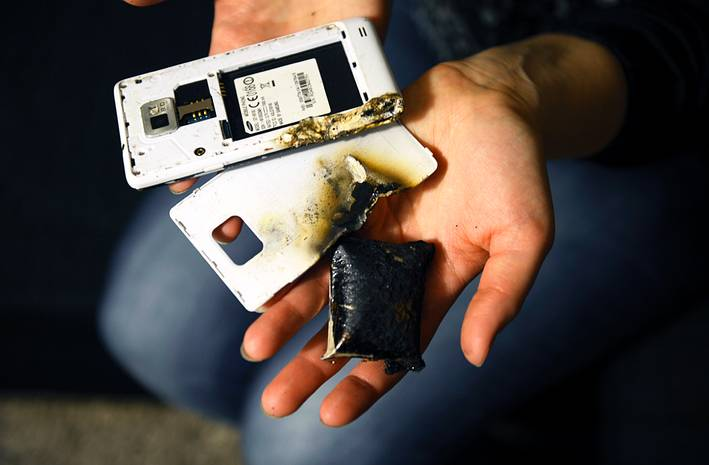
When people start exploring solar-powered setups for TVs and other electronics, one question often pops up first: Can a Battery Explode? It’s a fair concern — after all, batteries store large amounts of energy, and when used incorrectly or paired with the wrong equipment, they can become dangerous. As more households turn toward solar power for entertainment systems and backup energy, understanding battery safety is just as important as learning how panels and inverters work. In this guide, we’ll not only explore how solar-powered systems function but also address common fears, real risks, and the practical steps you can take to build a safe, efficient, and reliable energy setup for your home entertainment.
The Science Behind the Boom: Causes of Battery Explosions
A battery is inherently a small container of chemicals that has the potential to release energy in the form of electricity. The energy is safe and useful unless it is released too rapidly or without any control, in which case the battery may become unstable and its behavior volatile. You can find a detailed explanation of all the causative factors of battery failure below.
Thermal Runaway in a Nutshell
There is hardly anything more important when dealing with battery safety than thermal runaway. Basically, the whole thing starts and ends with the generation of heat. Once the temperature inside a battery cell rises to a critical point due to any of the following: heat from outside, overcharging, or physical damage, the battery’s internal chemistry starts going to pieces.
This degradation produces more heat, which will speed up the chemical reaction even further, resulting in yet more heat being generated.
The entire process can take just a few thousandths of a second. The temperature inside a battery can reach even a few hundred degrees, which leads to the electrolytes catching fire while the internal pressure rises to a point that it cracks the casing. You end up with either a fire, a rupture, or an explosion.
Manufacturing Defects
In some cases, the defect is there in the device even before it leaves the factory. Batteries, especially lithium-ion ones, are very sophisticated and require exacting levels of precision in the manufacturing process. There are two electrodes – the cathode and the anode – inside a battery separated from each other by a thin, porous material called the separator.
The presence of microscopic metal bits contaminating the battery during production or a defective separator can cause the anode and cathode to come into contact, thereby creating an internal short circuit. Even if the device is brand new, this internal defect can cause excessive heat to be generated, thus unexpectedly causing thermal runaway occur.
Physical Damage
Many of us have dropped a phone or hit a laptop against a door frame. Although nowadays Samsung phone cases are quite sturdy, batteries inside them are still very sensitive. It is enough for a battery to be punctured, crushed, or subjected to significant compression for its internal structure to be damaged.
When the separator between the cathode and anode is broken due to an impact, the electrodes make direct contact. This causes an immediate, very intense current to flow inside the cell along with the generation of a great amount of heat. This explains why punctured batteries typically give off smoke and hiss right away.
Overcharging and Heat
A battery has a capacity limitation in terms of voltage. Most current devices have an embedded Battery Management System (BMS) that gets the flow of electricity when the battery is fully charged. However, using poor-quality, non-certified chargers may lead to no proper communication between the device and the charger.
When it happens that a battery is delivered a charge that is beyond its normal capacity (overcharging), the chemical processes inside the battery get disrupted and unstable. There is no outlet for this extra voltage, and it is transformed into heat. In case the charger does not come with a shutdown feature, the heat generated simply keeps on increasing until a battery failure occurs.
External Environment
Like Goldilocks, batteries like the temperature that is “just right.” Smartphones living in the car under the hot sun are quite similar to tools exposed to direct sunlight. Batteries tend to get weaker if they have been subjected to high temperatures for a long time.
Should the heat from outside be so great as to cause the battery temperature to exceed a dangerous point, the cell would enter the uncontrolled chemical reaction state – thermal runaway – even if it was neither being used nor charged.
High-Risk Profiles: Types of Batteries at Risk
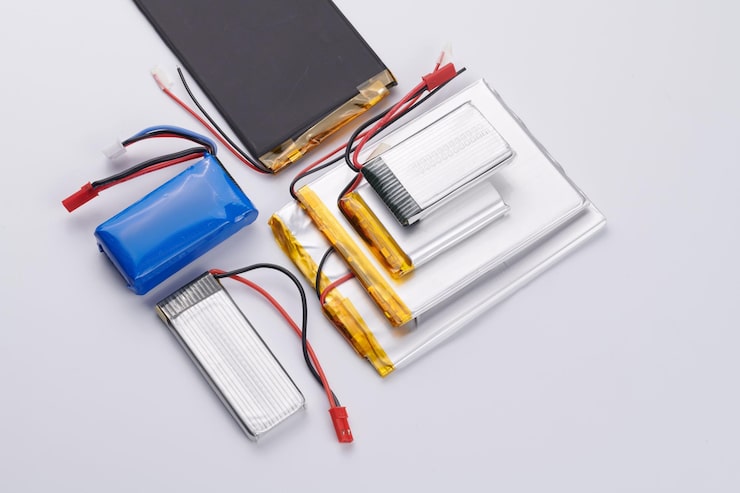
One cannot equate all batteries with one another. What different battery chemistries bring are different sets of risks. Let us help you understand which of the common battery types is more liable to go into a meltdown.
Lithium-Ion Batteries (Li-ion)
If battery safety is something that has been worrying you, then most likely, you have been thinking about this category. The main reason why lithium-ion batteries have been so widely adopted for portable devices like smartphones, tablets, laptops, e-bikes, and electric vehicles is that they contain a great amount of power relative to their size and weight.
Nevertheless, it is that very feature which predisposes them to be more explosive. The electrolyte in a Li-ion battery is extremely combustible. Because manufacturers are in a race to make these batteries thinner and more powerful, the separators between the components that are liable to damage are so thin. Thus, any minor dings or lapses in manufacturing standards can be fatal. In fact, it can almost be said that it is the “battery explosions” involving Li-ion technology that bring most people to Google.
Alkaline Batteries
These are the regular AA, AAA, C, and D cells that you always see in TV remote controls and kids’ toys. It is almost inconceivable that an alkaline battery would “explode” in such a manner that it emits flames. This is explained by the fact that they do not have volatile and flammable electrolytes as their lithium counterparts do.
By the way, the rupture of an alkaline battery is quite frequent. Usually, it happens due to the interior of the battery building up pressure with the gas during the discharge, or they are exposed to heat. Their bursting is often accompanied by a “pop” sound and a leak of potassium hydroxide, which is corrosive and can damage the skin and electronics. Compared to Li-ion battery failure, however, it is not a fire hazard.
Lead-Acid Batteries
These are the large and heavy batteries that you usually find under the hoods of combustion-engine vehicles. Although lead-acid batteries are efficient and have a long lifespan, they also pose an explosion risk in the form of gas within the battery. When a lead-acid battery is in the process of charging or discharging, it can produce and release hydrogen gas.
To prevent the escape of hydrogen gas, the battery case must be ventilated. If the electrolyte has evaporated and the battery is not providing sufficient ventilation, there is a possibility of hydrogen gas being produced within the metal casing. As is well known, hydrogen is very flammable and so, if a spark occurs (for example, from jump-starting a car or from a loose connection), this gas can catch fire immediately, leading to the case of the battery blowing apart.
Warning Signs: How to Tell if a Battery is Dangerous
The likelihood of a battery arbitrarily and suddenly trading in its stable form for the dangerous one is extremely low. Being able to spot a few early warning signs would easily make a difference between a burnt-out device and a house fire.
Swelling and Bulging
This is a very typical visual sign of a deteriorating lithium-ion battery. If your smartphone screen starts separating from the body or your laptop trackpad is suddenly not very responsive, the battery is worth checking. The reason for the swelling is the release of gases in a hermetically sealed cell. You should think of the battery as a balloon inflating. Most definitely, stop using the device as soon as you see this.
Excessive Heat
It is perfectly normal for devices to heat up slightly when they are under a very heavy load or are charged at a fast rate. It is not normal for a device to be so hot that you cannot even touch it. If your skin is repelled from a device because of heat, or it feels like it is coming from only one side, disconnect it from the power source right away and put it on a flame-resistant surface like concrete or tiles.
Hissing or Cracking Sounds
Batteries are expected to function silently. A hissing, whistling, or cracking sound coming from a device implies that the battery is in a quick chemical reaction, and the gas under high pressure is escaping. This is frequently what follows ignition. Leave the device right away.
Strange Odors
Basically, a battery failure is often accompanied by an emission of gas. The smell of this gas is so distinctive that it is often the first thing noticed. The smell is sometimes described as a sweet, chemical scent, or at other times as a strong metallic one. When there is a burning of plastic or chemicals, it is safe to say that something is wrong and you should investigate carefully, but not recklessly.
Real-Life Examples and Impact
Several notorious cases of battery technology failures have happened, which we can now refer to to get a clearer picture of the hazards involved here.
The Smartphone Saga
Recall the Samsung Galaxy Note 7 debacle, which is arguably the greatest example of battery failure. The electrodes touching each other as a result of the manufacturing defect sparked the battery fires. Mostly, the incident shocked the technological world and certainly made everyone realize that even a giant like Samsung, no one is really safe when it comes to pushing energy density. And of course, the fiasco quickly resulted in the implementation of a whole new range of safety measures.
E-Bike and Scooter Fires
By this time, electric bikes and scooters have made so many headlines that people are already used to the pattern of such accidents. Single-family house fires have been blamed on these vehicles, and in many urban areas, they have become known to be the leading cause of household fires. What actually happened was the customers got too clever and started buying third-party batteries, which were not made to the original specifications, just to save a few dollars, as well as using chargers that did not match the voltage of the batteries. The size of such batteries is huge, and so, once they are set on fire, it will be enormous and very difficult to put out.
Vaping Devices
It is not very uncommon to read or hear about someone getting injured with an exploding battery from a vaping device. If you take a look at the cases presented here, in almost all of them, the actual device was not at fault. It was loose, spare batteries which were carried in pockets. Should a battery come into contact with keys or coins, metal bridges the gap between negatives and positives, thus creating a direct short circuit, resulting in thermal runaway happening almost instantaneously.
Essential Battery Safety Tips for Prevention
Manufacturing defects are beyond your control. However, you still have control over how you treat your gadgets. User behavior is the largest factor when it comes to battery safety.
Proper Charging Habits
- OEM only: Utilize only the original, or in case unavailable, certified replacement from a trusted brand charger, to your device. The cheapest chargers, typically from gas-stations do not possess the microprocessor that controls the current, thus those cheap chargers are unsafe for your device and even dangerous.
- Hard Surfaces Only: Don’t charge your laptop and phone on a bed, pillow, or couch. These soft surfaces prevent heat from escaping since the device has no access to air and heats up. So, always charge on a hard flat surface like a desk or a nightstand.
- No Unattended Charging: Try not to leave high-capacity batteries (e.g., e-bikes) charging while you are asleep or out of the house. It is important to be awake and present in case anything malfunctions so that proper handling can be done.
Storage and Maintenance
- Temperature: Keep batteries in a cool, dry environment. Don’t leave your electronics in a hot car or a freezing garage.
- Partial Charge: If storing a device unused for a long period of time, neither 0% nor 100% are correct battery level to be kept. 50% is about the right charge for good chemistry health.
- Inspect Often: Just before spending a day on a bike or using any power tool, check the condition of the battery. If you see cracks, dents, or swells of the casing, do not charge the battery.
Disposal and Recycling
- Avoid Disposal in Trash: A battery should never be thrown into the household trash or the recycling bin. When these batteries end up in a garbage truck, they get crushed by the compactor, which may cause a fire.
- Terminals Taped: Before recycling, put a little piece of electrical tape or even clear tape over the contact points (terminals). So, the terminals will not touch other batteries in the recycling bin and thus will not spark race to each other.
- Locate Recycling Center: Use features such as Call2Recycle to find a nearby drop-off point where you can take your old electronics.
Innovation in Safety: The Future of Battery Tech
Fortunately, battery safety remains one of the top priorities of the researchers. The thing about future power storage devices is that they will be so much safer than what we have now.
Solid-State Batteries
Many in the battery field see this kind of battery as the “holy grail”. Until now, Li-ion batteries run with a liquid electrolyte, which is a highly combustible substance. Here, the liquid is replaced with a solid material, making the battery very resistant to fire even when punctured. They are now costlier to manufacture, but their production is expected to be launched to mass market soon.
Advanced Battery Management Systems (BMS)
The software has become more sophisticated nowadays. Modern BMS can precisely monitor voltage, current, and temperature as well as isolate the specific segment of a battery that is defective at a microscopic level and then shut it down before the entire battery reaches a critical failure point.
Non-Flammable Electrolytes
A team of scientists is working on the development of new liquid electrolytes, which will basically be flame-retardant chemically. If such compositions manage to be commercialized, then we will be able to continue using manufacturing methods of today while at the same time drastically cutting down on all the risks of a fire.
FAQs
Q: Is it dangerous to charge my phone to 100% overnight?
A: Usually, no. Nowadays, smartphones are equipped with smart chips that detect full battery status and then stop the flow of power into it. Of course, a battery kept full at 100% for long periods steadily will lose its capacity, but the safety hazards in this scenario are close to zero. From the perspective of a longer lifespan, it is best to either charge your battery just before sleeping or right after waking up.
Q: What should I do if my device starts smoking or catches fire?
A: Don’t throw water on a lithium-ion fire; it could worsen the reaction or disperse hazardous chemicals. If safe and possible, move the device away from flammable materials (preferably outside). Use a Class D or a standard ABC fire extinguisher to isolate the area, but keep in mind that a battery fire can last until the chemicals are used up. Call the fire department immediately!
Q: Can I use my phone while it is charging?
A: Sure! Anyway, with heavy usage like 3D gaming combined with fast charging, a lot of heat will be generated. Should the device get too hot, stop using it and let it charge in standby mode so that the battery can cool down, thus being less vulnerable to heat damage.
Q: Do batteries have an expiration date?
A: Yes. A rechargeable battery will not last forever and degrade eventually. Five years plus for an old laptop or phone can chemically degrade the battery, so you’d better check it visually for swelling before deciding on charging it.
Conclusion
The knowledge of battery chemistry is quite a revelation in that we can say that it is the chemistry that needs to be powerful in order for us to have advanced technology. While the risks are indeed there, the reality is that modern engineering marvels make battery explosion occurrences extremely infrequent.
Respect the art and science that went into the device if you want to stay safe. Following the manufacturers’ recommendations for chargers, not allowing damage of any kind, and respecting alert signs such as swelling and heating up are sufficiently protective measures. A charging situation has just come to mind. Are your cords ok? Are you charging your cell phone on the nightstand, not under the pillow? So many of those small things can be changed in our daily habits that will guarantee that technology stays a tool for us rather than a hazard.
Something I want to mention – if you find yourself with old, damaged, or swollen batteries, don’t wait to dispose of them properly. Tape the terminals and take them to an e-waste recycling center near you to keep the place safe.